NAVIONICS

OBJECTIVES
Design, develop and maintain all electronic systems embedded in the underwater robot, ensuring safe, efficient and reliable operation in hostile environments.
CONTRIBUTIONS
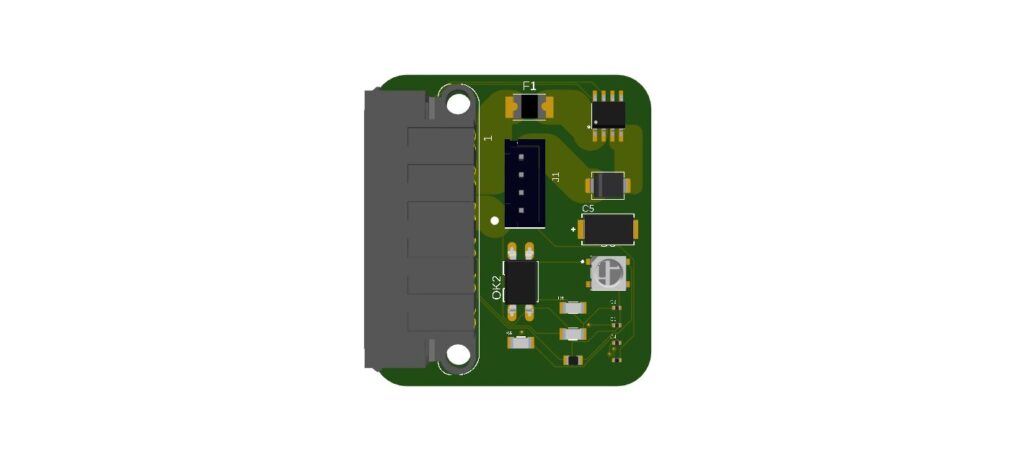
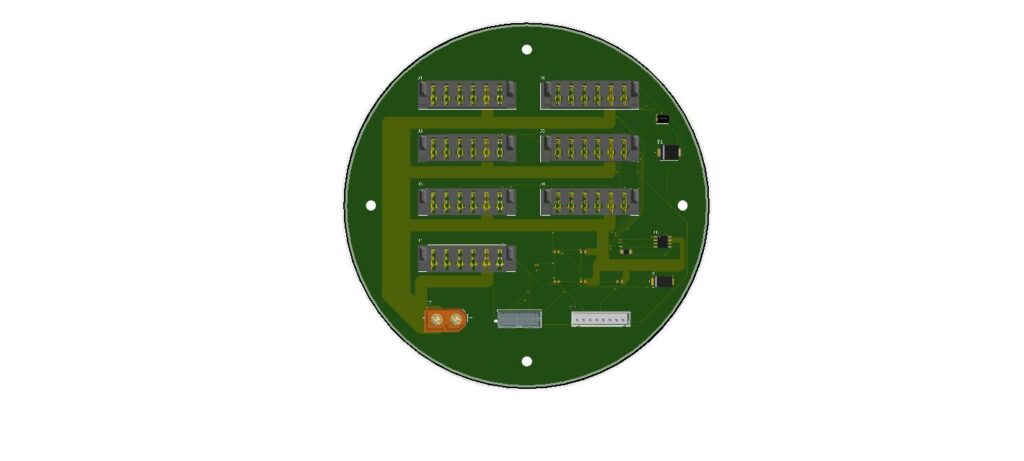
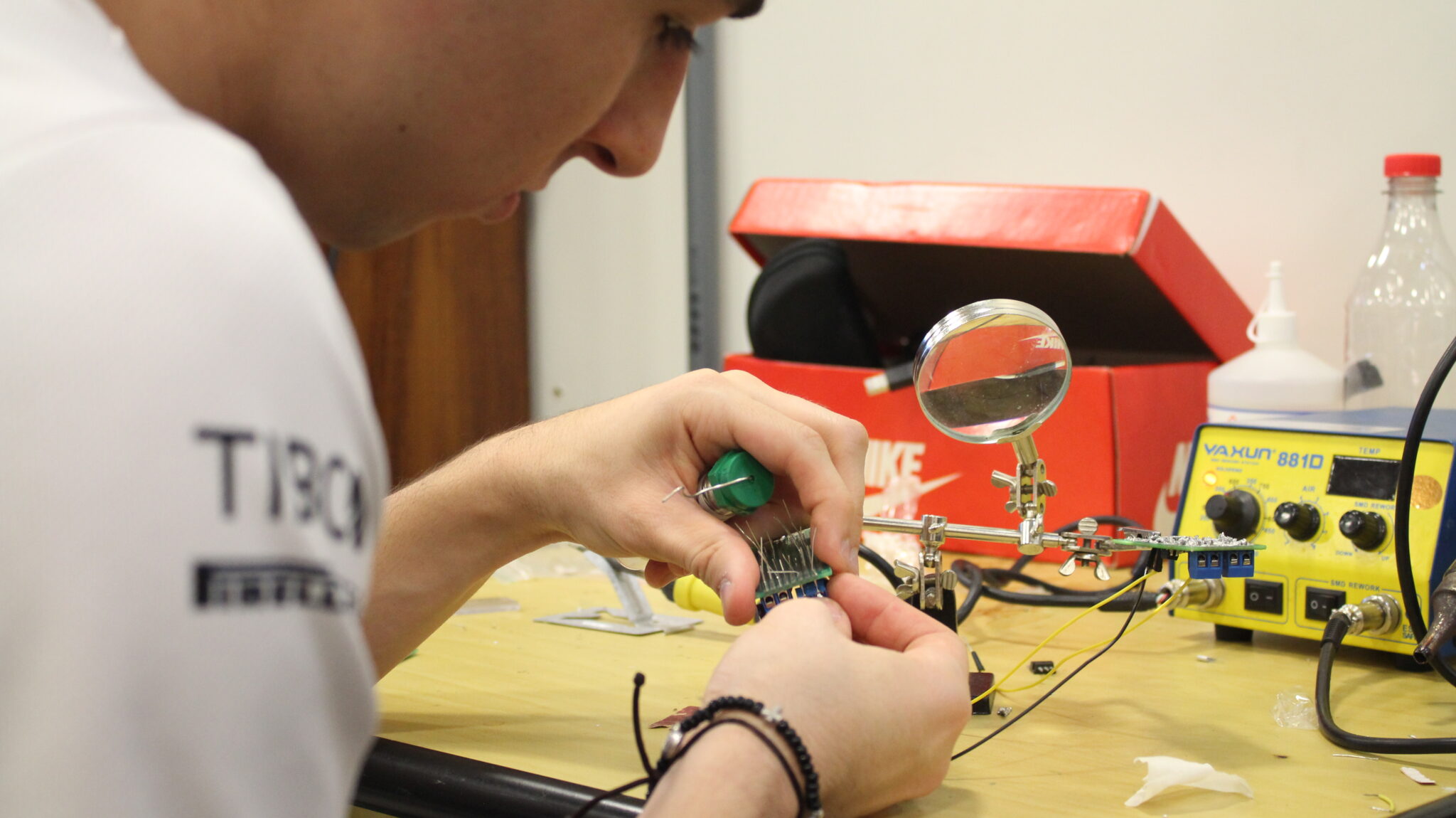
Navionics develops the circuits and systems that control the AUV’s motors, sensors, and power distribution. It integrates critical sensors, implements communication protocols, and monitors variables such as temperature and leaks. It also performs tests, collects telemetry data, and maintains all technical documentation for the system.
CHALLENGES

Operating at great depths poses challenges such as the need for compact, pressure-resistant electronics compartments with good thermal dissipation. In addition, external communication is limited, since signals such as GPS do not penetrate water, requiring alternative solutions for control and navigation.

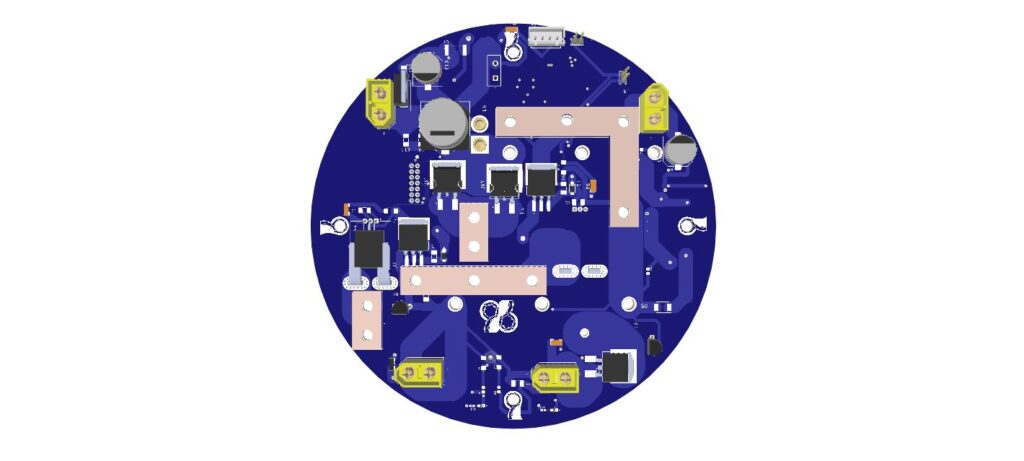
CIRCUITS DESIGN

The development of electronic systems in the AUV involves projects aimed at precise control of onboard subsystems, reliable sensor reading and efficient power management. This requires circuits capable of operating robustly in a submerged environment, collecting and interpreting data in real time, activating actuators as required by the mission, and protecting components against electrical failures such as short circuits, overcurrents or polarity inversion.

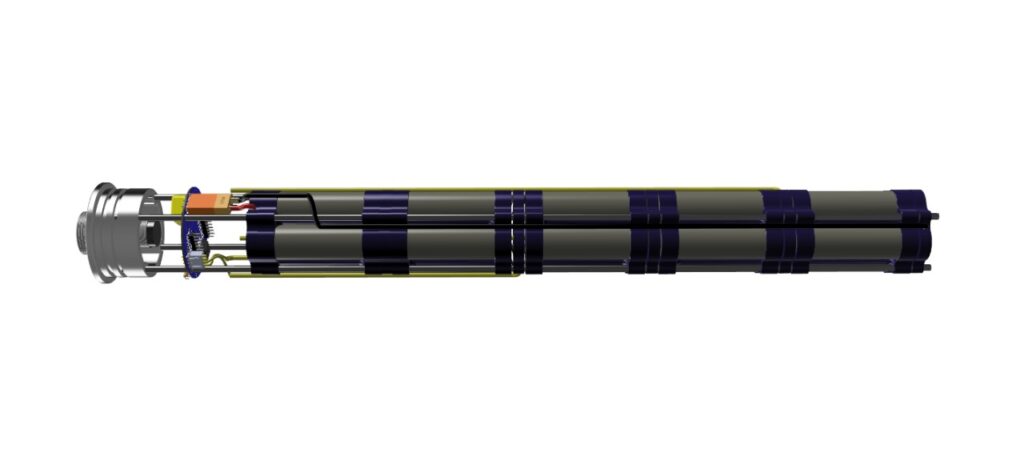
POWER SUPPLY SYSTEM

Power distribution is carefully planned to ensure efficiency and safety. Architectures with overload and undervoltage protection are implemented, as well as monitoring circuits that allow energy consumption to be monitored in real time. This enables failures to be anticipated, optimizes battery use and ensures continuous system operation even under demanding conditions.

COMMUNICATION

Communication between the different onboard modules and between the robot and the surface base is carried out using protocols appropriate for critical environments. Internally, interfaces such as UART, I2C and CAN are used, which guarantee data integrity even in networks with multiple devices and electrical interference. For external communication, solutions such as Ethernet tether and RS-485 are adopted, which enable the sending of commands and reception of telemetry during missions, even at great depths.

TEAM

DSCN5755

Matheus Perdoncini

Leader

DSCN5752

André Flamínio

DSCN5749

Humberto Rodovalho

DSCN5765

Victor Wagner